A Solitary Confinement
A true story about Guillain-Barre Syndrome by
Robin Sheppard
A true story about Guillain-Barre Syndrome by
Robin Sheppard
February, 2024
Guillain-Barré syndrome (GBS) can affect anyone, including famous people whose lives and careers may appear very different from our own. This rare neurological condition can cause sudden muscle weakness, difficulties with movement and, in severe cases, paralysis.
Famous people with Guillain-Barré syndrome include actor Andy Griffith and hospitality leader and author Robin Sheppard. Their experiences show how unexpectedly the condition can develop and how recovery can affect everyday life.
There has also been historical debate about whether former US President Franklin D. Roosevelt experienced GBS rather than polio, although his diagnosis remains disputed.
Their stories help raise awareness of Guillain-Barré syndrome and the challenges people may face during treatment and recovery.

Muscle weakness and paralysis are the primary symptoms of Guillain-Barré Syndrome, which is an autoimmune disorder.
Guillain-Barré syndrome is a rare neurological condition in which the immune system mistakenly attacks the peripheral nerves.
Symptoms often begin with tingling or weakness in the legs and may progress to the arms and upper body. In severe cases, GBS can affect breathing and require urgent hospital treatment. The condition often develops after a respiratory or gastrointestinal infection, although its exact cause is not fully understood.
Doctors may use neurological examinations, nerve conduction studies and lumbar punctures to support a diagnosis. Treatment typically involves intravenous immunoglobulin (IVIG) or plasma exchange, alongside medical monitoring and rehabilitation.
Many people recover substantially, although some experience lasting fatigue, weakness or nerve pain. You can learn more about the condition in our Guillain-Barré Syndrome overview.
Guillain-Barré Syndrome has affected some well-known people, such as former U.S. President Franklin D. Roosevelt. His experience with the syndrome had a significant impact on his presidency. Actor Andy Griffith also shared his struggle with the syndrome, which helped to raise awareness about its debilitating effects. Both of them highlighted the importance of resilience in the face of adversity.
Andy Griffith was an American actor, comedian and producer best known for The Andy Griffith Show and Matlock. In 1983, Griffith was diagnosed with Guillain-Barré syndrome, interrupting his successful entertainment career.
The illness caused significant muscle weakness and paralysis, requiring treatment and rehabilitation. Contemporary news reports confirmed that Griffith was hospitalised in May 1983. His illness also forced him to withdraw from a planned television production.
Following his illness and rehabilitation, Griffith recovered and eventually returned to acting. His comeback included the television series Matlock, which began in 1986 and introduced him to another generation of viewers.
Andy Griffith’s story highlights how quickly Guillain-Barré syndrome can disrupt someone’s life, regardless of their age, profession or public standing. His return to television also demonstrates that meaningful recovery is possible.
However, recovery experiences differ. Some individuals regain much of their previous strength, while others continue to manage long-term symptoms. Griffith’s experience remains one of the better-documented examples of a well-known entertainment figure affected by GBS.
Robin Sheppard is a British hospitality leader, author and advocate for accessible hospitality.
In 2004, he developed Guillain-Barré syndrome, which left him paralysed from the neck down. The condition dramatically changed his daily life and required extensive treatment and rehabilitation.
Before his diagnosis, Robin had established a successful career in the hospitality industry.
The sudden onset of Guillain-Barré syndrome presented challenges that extended beyond his physical health. He had to adapt to severe limitations in movement and the uncertainty of recovery while finding ways to maintain his determination and sense of humour.
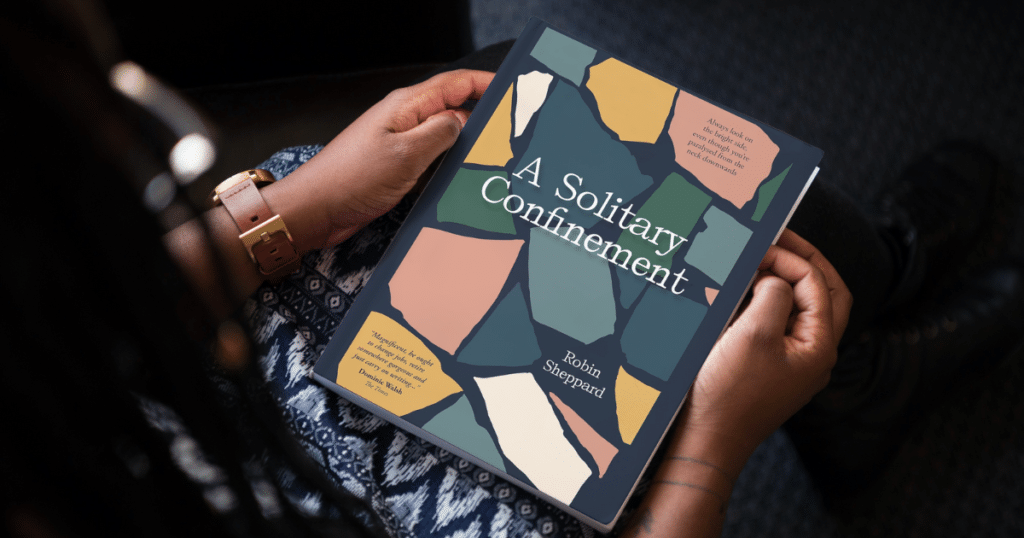
Robin later shared his experiences in his book, A Solitary Confinement: Always Look on the Bright Side, Even Though You’re Paralysed from the Neck Downwards.
The book offers a personal account of his illness, the challenges of rehabilitation and his efforts to rebuild his life.
Robin’s experience also contributed to his interest in improving accessibility within the hospitality industry.
As Co-Founder and Chair of the Accessible Hospitality Alliance (AHA), he supports efforts to make hotels and other hospitality services more welcoming to people with disabilities. His work highlights the importance of listening to people with lived experience when creating accessible environments.
You can explore more of his journey in What Hospitality Leaders Can Learn from Robin Sheppard’s Story of Resilience.
Robin’s story demonstrates how a life-changing diagnosis can shape someone’s personal outlook and inspire work that benefits others.
Franklin D. Roosevelt, the 32nd President of the United States, experienced a severe paralytic illness in 1921 when he was 39 years old.
At the time, physicians diagnosed him with poliomyelitis, commonly known as polio. The illness left Roosevelt with significant long-term mobility difficulties, and he used leg braces and a wheelchair.
Decades after Roosevelt’s illness, some researchers questioned whether the original diagnosis was correct.
A medical analysis published in 2003 suggested that several of his recorded symptoms were more consistent with Guillain-Barré syndrome than polio. These included the pattern of paralysis and certain sensory symptoms.
However, other researchers have challenged this interpretation and maintain that the original polio diagnosis was well supported. Because Roosevelt’s illness occurred long before modern diagnostic techniques became available, it is difficult to establish a definitive retrospective diagnosis.
Roosevelt should therefore not be described as a confirmed case of Guillain-Barré syndrome.
His story is included here because the historical debate illustrates how neurological illnesses can share symptoms and why accurate diagnosis is important.
Further reading: The medical debate surrounding Roosevelt’s diagnosis.
Although Andy Griffith and Robin Sheppard worked in very different industries, their experiences highlight several important aspects of GBS.
GBS can affect people who were previously active and healthy. Symptoms may develop rapidly, making early medical assessment and treatment essential.
For some people, recovery happens over several months. For others, rehabilitation and the management of ongoing symptoms may continue for years. There is no single recovery timeline that applies to everyone.
Medical care, physiotherapy, occupational therapy and emotional support can play important roles in recovery. Each person’s rehabilitation needs depend on the severity of the illness and the symptoms that remain.
Sharing real experiences can encourage greater understanding of GBS. Stories such as those of Andy Griffith and Robin Sheppard may help readers recognise that the condition affects people from many different backgrounds.
They also highlight the importance of supporting individuals and families coping with serious neurological illness.
Guillain-Barré syndrome can be physically and emotionally challenging.
For some people, the greatest difficulties arise during the initial illness. Others continue to manage fatigue, pain, weakness or changes to their independence after leaving hospital. Access to medical advice, rehabilitation and support can make an important difference.
For anyone currently living with GBS, it is worth remembering that recovery is individual. Comparing one person’s progress with another’s may not reflect the medical challenges they face.
You can read more about these experiences in Living with Guillain-Barré Syndrome: The Unseen Battle.
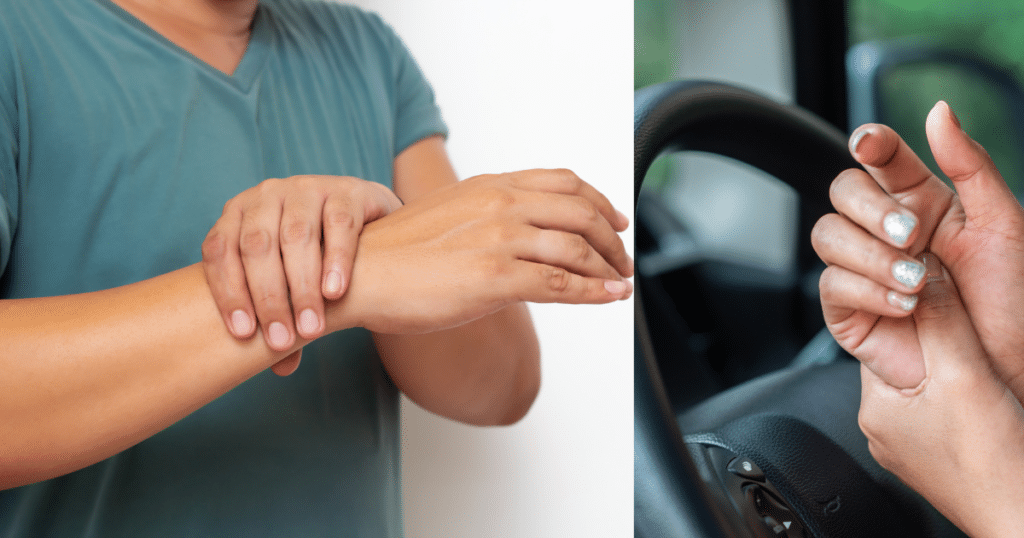
Behind every Guillain-Barré syndrome diagnosis is a personal story. In A Solitary Confinement, Robin Sheppard shares his experiences of paralysis, rehabilitation and finding ways to move forward after a life-changing illness.
His account offers readers a closer look at the realities of living with GBS, combining personal reflection with the humour and determination that have shaped his journey.
Discover A Solitary Confinement on Amazon
Which famous people have had Guillain-Barré syndrome?
Actor Andy Griffith and British hospitality leader Robin Sheppard are two notable individuals who have experienced Guillain-Barré syndrome. Their stories have helped bring attention to the condition and the challenges of recovery.
Did Andy Griffith have Guillain-Barré syndrome?
Yes. Andy Griffith was diagnosed with Guillain-Barré syndrome in 1983. His illness interrupted his acting career, but he recovered and later returned to television, notably in Matlock.
Did Franklin D. Roosevelt have Guillain-Barré syndrome?
Roosevelt was diagnosed with polio in 1921. Some researchers have suggested that he may instead have experienced Guillain-Barré syndrome, but this theory remains disputed. His GBS diagnosis has never been confirmed.
Can someone fully recover from Guillain-Barré syndrome?
Many people make a substantial or full recovery from GBS. However, some continue to experience symptoms such as fatigue, muscle weakness or nerve pain. Recovery times and long-term outcomes differ between individuals.
Where can I learn more about real experiences of GBS?
Personal accounts, reputable medical organisations and GBS support resources can provide useful information. Robin Sheppard’s book, A Solitary Confinement, offers one first-hand perspective on severe illness, paralysis and rehabilitation.