A Solitary Confinement
A true story about Guillain-Barre Syndrome by
Robin Sheppard
A true story about Guillain-Barre Syndrome by
Robin Sheppard
September, 2026
Sometimes the most significant changes arrive without much warning.
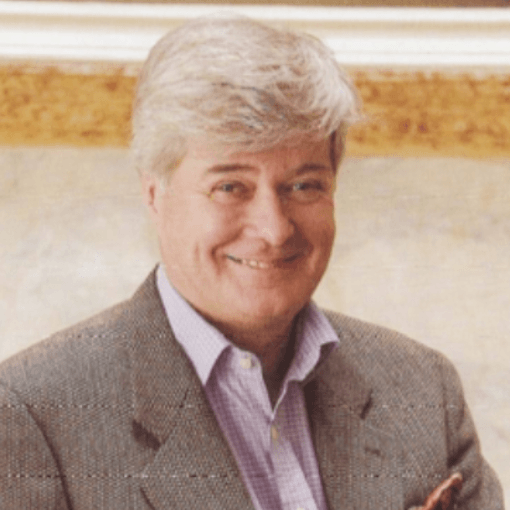
For Robin Sheppard, co-founder of Bespoke Hotels, his latest diagnosis began with something he barely noticed. During a routine medical appointment, a doctor spotted a slight tremor while Robin was at rest.
That observation led to further investigation and, eventually, a diagnosis of Parkinson’s disease.
At 71, and already living with the lasting effects of Guillain-Barré syndrome (GBS), Robin now finds himself adapting once again. His response is characteristically practical: understand what is happening, look after his body as best he can, and decide carefully where to spend his time and energy.
Parkinson’s is a progressive neurological condition that can affect movement in different ways, including tremor, stiffness and slower movement. In Robin’s case, the diagnosis was unexpected because some of the physical changes that might otherwise have drawn attention had already become part of his life following GBS.
Robin was diagnosed with Guillain-Barré syndrome in 2004. The rare neurological condition attacks the peripheral nervous system and, in severe cases, can cause paralysis. Robin’s experience was particularly serious, leaving him paralysed from the neck down and requiring an extensive period of rehabilitation.
One lasting change was losing his sense of smell.
Loss of smell can also occur years before some of the more recognisable movement symptoms of Parkinson’s appear. For Robin, however, it was hardly a new symptom to investigate. He had lived with it for years.
Then came the resting tremor.
It took someone else noticing it for Robin to realise there might be another explanation for some of the changes in his body.
Having experienced one rare neurological illness, finding himself facing Parkinson’s alongside the effects of GBS is an unusual situation. But Robin is approaching it much the same way he has approached previous challenges: by focusing on what he can understand and influence.
The diagnosis has prompted Robin to reconsider the pace of his working life.
After decades in hospitality and more than 25 years since co-founding Bespoke Hotels with Haydn Fentum, his involvement has already become more selective. Meetings have moved online, removing much of the physical strain of travel and a busy diary.
By the end of the year, Robin expects to step back further from those day-to-day commitments. This is a change in his personal role and routine, rather than a change in direction for Bespoke Hotels. For Robin, the decision is simply about recognising what his body now needs.
His mind, he says, remains as sharp as ever. The adjustment is physical: accepting that his energy and mobility are changing and responding accordingly.
That means allowing more room for rest, recuperation and taking care of his health.
Robin has always preferred practical action to standing still. Since his Parkinson’s diagnosis, he has become more disciplined about his diet and increased the amount of exercise he does, with a particular focus on maintaining strength and mobility.
He is also paying closer attention to the smaller changes in his health. Rather than ignoring them, he wants to understand what his body is doing and how those changes develop over time. There is no attempt to pretend Parkinson’s can simply be reversed. He focuses on doing what he reasonably can to protect his quality of life.
It is a mindset shaped, in part, by experience. Robin has been here before in a very different form. His encounter with Guillain-Barré syndrome became the subject of his book, A Solitary Confinement, in which he documented what it was like to go from a successful and relentlessly busy hotelier to being paralysed from the neck down.
The book tells the story from inside that experience: the fear, frustration, absurdity and long process of rehabilitation, handled with the humour and matter-of-fact outlook that have remained characteristic of Robin ever since.
For anyone interested in that earlier chapter of Robin’s health journey, A Solitary Confinement offers his own account of living through GBS and learning to adapt when life changed without warning. The book is available through Amazon.
His encounter with Guillain-Barré syndrome became the subject of his book, A Solitary Confinement, in which he documented what it was like to go from a successful and relentlessly busy hotelier to being paralysed from the neck down.
There is no grand declaration attached to Robin’s latest diagnosis.
There is simply a recognition that life needs to change again.
His priorities now are straightforward: protect his health, stay physically active where possible, rest when necessary and make the most of the quality of life available to him. After a career built around hospitality, hotels and people, stepping away from some of the routines of working life will inevitably be an adjustment.
But Robin is making it deliberately. Parkinson’s may be changing what his body allows him to do. It has not changed his curiosity, his ability to think clearly or his determination to understand what comes next.
For now, that is where his attention lies: staying observant, staying engaged and taking the next stage as it comes.
His story of resilience throughout his hospitality career has already shown how significantly his experience with GBS shaped his outlook on leadership and adversity.